Why Lithium-Ion Technology is a Game-Changer for Electric Forklift Procurement in 2018
Date: 2018-10-09 Categories: Articles Hits: 1232
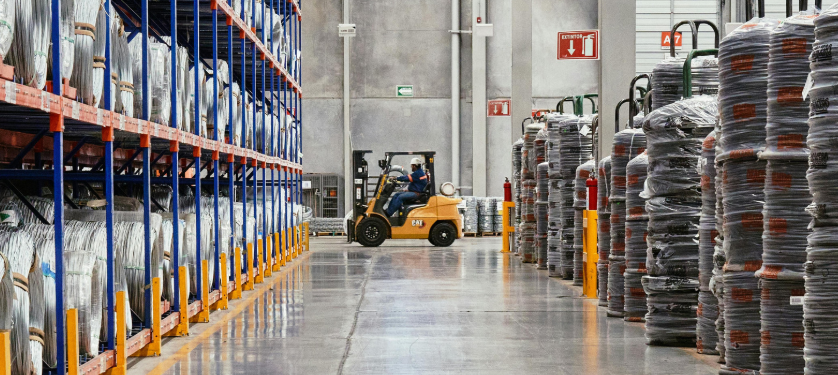
The global shift towards sustainable material handling is accelerating. As of 2018, electric forklifts are no longer an alternative but the standard in modern warehouses and logistics centers. At the heart of this transition lies a critical component: the battery. For procurement professionals, selecting the right power source is paramount to operational efficiency, total cost of ownership (TCO), and environmental compliance. This guide explores why lithium-ion battery technology is indispensable for electric forklifts and provides a framework for identifying top-tier suppliers.
The Strategic Imperative of Lithium-Ion Technology in Forklifts
Choosing a lithium battery for your electric forklift fleet is a strategic business decision. Here’s a breakdown of the core advantages driving procurement choices in 2026:
1. Maximized Uptime & Operational Efficiency
Unlike traditional lead-acid batteries that require 8+ hours to charge and an equalizing charge period, lithium-ion batteries support opportunity charging. Operators can recharge during breaks or shift changes without memory effect. This enables multi-shift operations without the need for battery swaps, significantly increasing equipment utilization.
2. Superior Total Cost of Ownership (TCO)
While the initial purchase price may be higher, the TCO of a lithium-ion battery is markedly lower. Factors include:
Longer Lifespan: 3,000+ cycles vs. 1,500 for lead-acid.
Zero Maintenance: No watering, cleaning, or acid handling.
Energy Efficiency: Higher charge/discharge efficiency reduces electricity costs.
No Dedicated Infrastructure: Eliminates costs for battery rooms, ventilation, and handling equipment.
3. Enhanced Safety & Intelligence
Modern lithium-ion packs for forklifts integrate advanced Battery Management Systems (BMS). These systems provide real-time monitoring of voltage, current, temperature, and state of charge (SOC), preventing overcharge, deep discharge, and thermal runaway. This built-in intelligence enhances safety and provides valuable data for fleet management.
4. Sustainability & Regulatory Alignment
With stricter global emissions and waste regulations, lithium-ion batteries offer a greener profile. They are lead-free, have a longer life reducing waste, and are increasingly recyclable. Adopting this technology aligns with corporate ESG (Environmental, Social, and Governance) goals.
A 2018 Procurement Framework: Evaluating Your Lithium-Ion Battery Supplier
Selecting a supplier goes beyond comparing specs. Use this checklist to ensure a partnership that delivers long-term value.
Core Technical & Product Assessment
Cell Quality & Sourcing: Inquire about the cell manufacturer (e.g., CATL, BYD, EVE). Reputable suppliers use grade-A cells with traceable origin.
BMS Capabilities: The BMS is the brain. Ensure it has CAN bus communication, precise SOC calculation, cell balancing, and thermal management.
Customization & Compatibility: Can the supplier provide batteries that fit your specific forklift models (e.g., Toyota, Crown, Jungheinrich) and voltage/ampere-hour requirements?
Safety Certifications: Mandatory certifications include UN38.3, MSDS, and transportation compliance. Look for additional ones like CE, UL, or relevant national standards.
Manufacturer Capabilities & Support
In-House R&D & Engineering: A supplier like GEMFG with its own R&D team can offer better technical support and custom solutions.
Production Scale & Quality Control: Visit the factory or audit certifications like ISO 9001 to assess manufacturing rigor.
Warranty & After-Sales Service: A comprehensive warranty (e.g., 5 years) reflects confidence in product life. Evaluate the responsiveness and technical depth of the service network.
Industry Experience: Prioritize suppliers with a proven track record in material handling. For instance, GEMFG has extensive experience in developing lithium battery solutions for electric forklifts, understanding the unique demands of the application.
Conclusion: Powering Smarter Procurement Decisions
In 2018, the question is not *if* but *how* to integrate lithium-ion technology into your material handling operations. The importance of lithium-ion battery technology for electric forklifts is clear: it delivers unparalleled efficiency, cost savings, safety, and sustainability. For procurement specialists, the task is to move beyond basic price comparison and engage with technologically adept manufacturers who can act as strategic partners.
By thoroughly evaluating suppliers on technical merit, manufacturing excellence, and service commitment, you can secure a lithium battery solution that powers your productivity for years to come, ensuring your fleet is not just operational, but optimally competitive. For more technical specifications and to explore tailored solutions for your fleet, visit www.gem-battery.com.