
Major Differences Between Tubular and Lithium Batteries: A Procurement Guide for Power Solutions
Date: 2018-01-06 Categories: Articles Hits: 1234
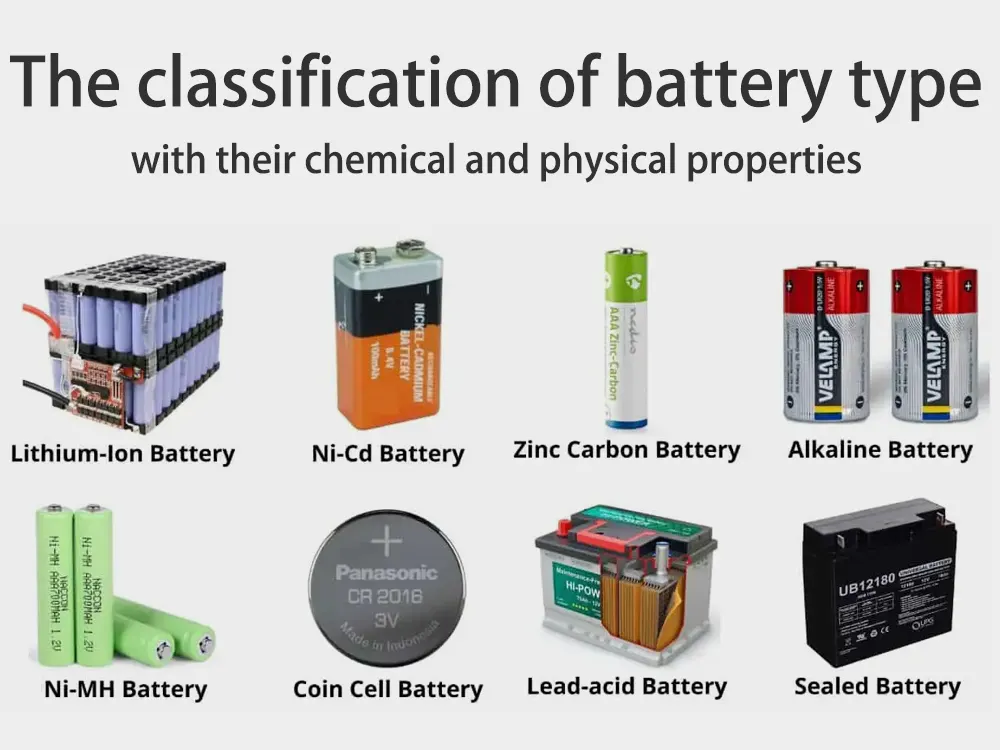
In the current global landscape, where reliable power backup is transitioning from a luxury to a critical necessity—especially in regions facing frequent grid instability—selecting the right battery technology is paramount for procurement managers, system integrators, and business owners. The choice often narrows down to two primary contenders: the traditional Tubular (Lead-Acid) battery and the modern Lithium-Ion (Li-ion) battery. While both serve the fundamental purpose of energy storage, their underlying technologies, performance metrics, and operational demands differ significantly. This professional procurement guide delineates the ten major differences between Tubular and Lithium batteries, empowering you to make a cost-effective, safe, and future-proof decision aligned with your specific application needs.
10 Major Differences Between Tubular and Lithium Batteries
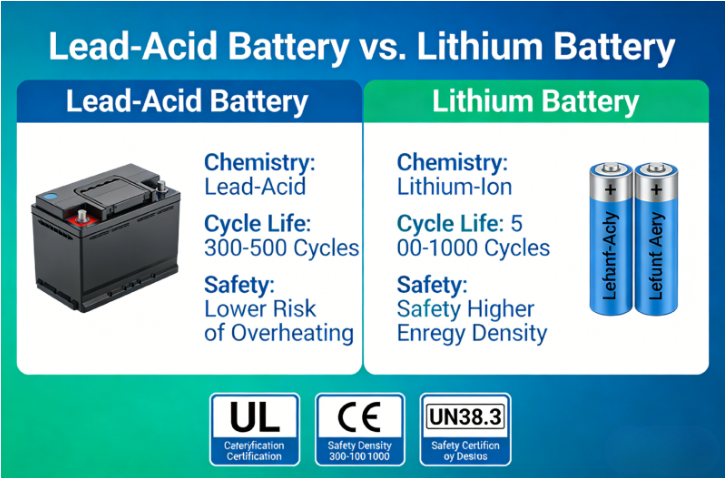
1. Budget & Initial Cost
Tubular Batteries: Typically offer a lower upfront cost, often priced at nearly half that of equivalent lithium solutions. This makes them an attractive entry point for budget-conscious projects with lighter power demands, such as powering televisions, small freezers, or basic lighting systems.
Lithium Batteries: Command a higher initial investment. However, this cost is amortized over a significantly longer lifespan and lower operational expenses, offering superior long-term value, especially for heavy-duty applications.
2. Lifespan & Durability
Tubular Batteries: Have a typical service life of 2 to 4 years under optimal conditions. Performance degrades faster with deep discharge cycles.
Lithium Batteries: Can reliably operate for 8 to 10 years or more, maintaining a higher capacity retention throughout their lifecycle, which drastically reduces replacement frequency and total cost of ownership.
3. Weight & Installation
Tubular Batteries: Are extremely heavy due to their lead plates and liquid electrolyte, often requiring multiple personnel or mechanical aids for installation and relocation.
Lithium Batteries: Are remarkably lightweight, often 60-70% lighter than their lead-acid counterparts. This simplifies installation, reduces structural load, and allows for flexible mounting options, including on walls or in tight spaces.
4. Depth of Discharge (DoD)
Tubular Batteries: It is recommended to use only 50-60% of their rated capacity to avoid shortening their lifespan. Deep discharges cause irreversible damage.
Lithium Batteries: Can safely utilize 80-90% of their rated capacity consistently without significant degradation, providing more usable energy from the same nominal capacity.
5. Size & Space Efficiency
Tubular Batteries: Are bulky and require considerable floor space with adequate ventilation due to gas emissions during charging.
Lithium Batteries: Have a high energy density, resulting in a compact footprint. They occupy significantly less space for the same or greater energy storage, a critical factor for residential, commercial, and mobile applications.
6. Maintenance Requirements
Tubular Batteries: Require regular, hands-on maintenance. This includes periodic topping up with distilled water to compensate for evaporation, cleaning terminals to prevent corrosion, and ensuring specific gravity checks.
Lithium Batteries: Are virtually maintenance-free. They are sealed units with integrated Battery Management Systems (BMS) that handle cell balancing and protection, eliminating the need for user intervention.
7. Scalability & System Expansion
Tubular Batteries: For parallel or series configurations, it is crucial to install batteries of the same age, brand, and capacity simultaneously. Adding new batteries to an old bank leads to imbalanced performance and reduced overall efficiency.
Lithium Batteries: Offer excellent scalability. New battery modules can be added to an existing system at a later date with minimal performance mismatch, thanks to advanced BMS technology, allowing for flexible capacity upgrades.
8. Charging Speed & Efficiency
Tubular Batteries: Have a slow charge acceptance rate. A full recharge can take 8 to 12 hours, which may be inadequate during frequent or prolonged power outages.
Lithium Batteries: Feature fast charging capabilities, often reaching full charge within 2 to 4 hours with compatible chargers. This ensures quicker backup readiness and better utilization of generator or solar power.
9. Warranty & Operational Safety
Tubular Batteries: Usually come with a standard warranty of 1-2 years. They emit hydrogen gas, posing a risk of explosion if not ventilated properly, and contain sulfuric acid, which is hazardous if spilled.

Lithium Batteries: Are backed by extensive warranties, typically ranging from 5 to 10 years, reflecting manufacturer confidence. Modern LiFePO4 (Lithium Iron Phosphate) chemistry, in particular, is inherently stable, non-toxic, and safe, with a BMS providing protection against overcharge, deep discharge, and short circuits.
10. Self-Discharge Rate & Standby Performance
Tubular Batteries: Have a high self-discharge rate (3-5% per month). They lose charge even when idle and must be kept on a float charge to prevent sulfation and capacity loss.
Lithium Batteries: Exhibit an extremely low self-discharge rate (1-2% per month). They can be stored for extended periods in a partially charged state without significant capacity loss, making them ideal for seasonal or standby applications.
Why Choose GEMFG Lithium Batteries for Your Next Project?
When the analysis points decisively towards the superior long-term value, safety, and performance of lithium technology, the next critical step is selecting a trusted manufacturer. GEMFG stands out as a premier Chinese manufacturer of advanced lithium battery solutions, specifically engineered to meet the rigorous demands of global commercial, industrial, and residential backup power markets.
Proven Technology & Robust Safety
GEMFG specializes in LiFePO4 chemistry, renowned for its thermal stability, long cycle life, and safety—far surpassing older lithium-cobalt variants. Every GEMFG battery pack is integrated with a sophisticated multi-layer BMS, ensuring operational safety and longevity. Our products comply with international standards, including CE, RoHS, and UN38.3 certifications.
Engineered for Real-World Demands
Understanding the challenges of markets like Nigeria with frequent outages, GEMFG batteries are designed for high DoD, fast recharge, and reliable performance in varied climates. Their maintenance-free nature and lightweight design reduce operational hassles and installation costs.
Comprehensive Support & Warranty
We back our technology with confidence. GEMFG offers industry-leading warranties on our lithium battery products, providing peace of mind and protecting your investment. Our technical support team assists with system design, integration, and after-sales service to ensure optimal performance.
Strategic Partnership for Growth
For procurement managers and businesses looking to build or expand energy storage solutions, GEMFG acts as a reliable partner. We offer scalable products, OEM/ODM services, and consistent supply chain reliability, helping you future-proof your power infrastructure against increasing energy demands.
The transition to lithium is not merely a trend but a strategic upgrade in energy storage. By choosing GEMFG, you are not just purchasing a battery; you are investing in a decade of reliable, efficient, and safe power. For detailed specifications, technical datasheets, or to discuss your project requirements, visit our official website or contact our sales team today.
GEMFG - Reliable Power, Engineered for the Future.
Explore our range of lithium battery solutions at: www.gem-battery.com
For inquiries: vicky@gembattery.com | +86 136 7227 0937